To see and do
-
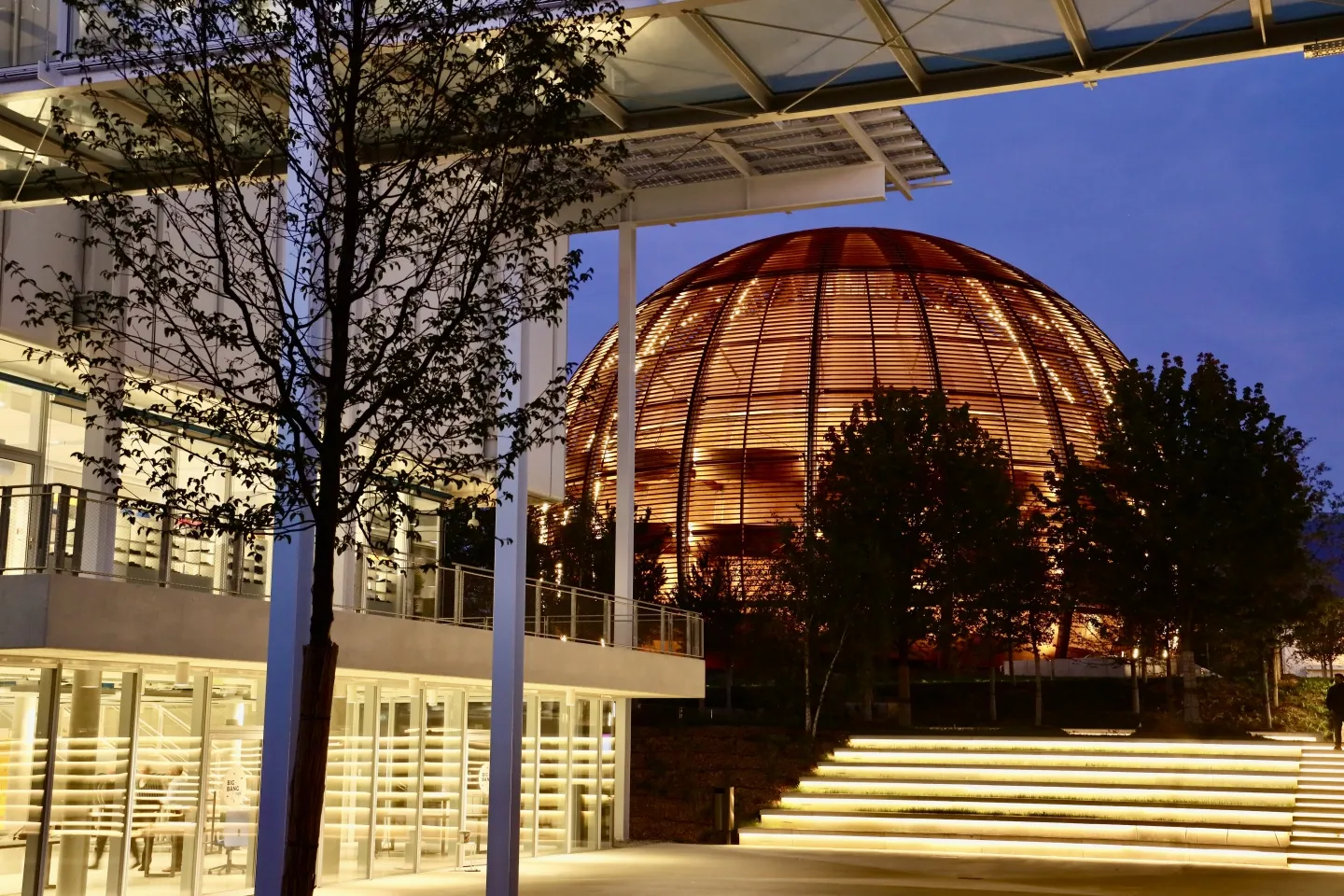
Public events at Science Gateway Campus
Public events at Science Gateway Campus When culture, education and science meet the public As a venue for discussions and exchanges on the interaction between science and society, the Science Gateway Campus, comprising Science Gateway and the Globe of Science and Innovation, offers an annual programme of free public events combining the pleasure of discovery…
-
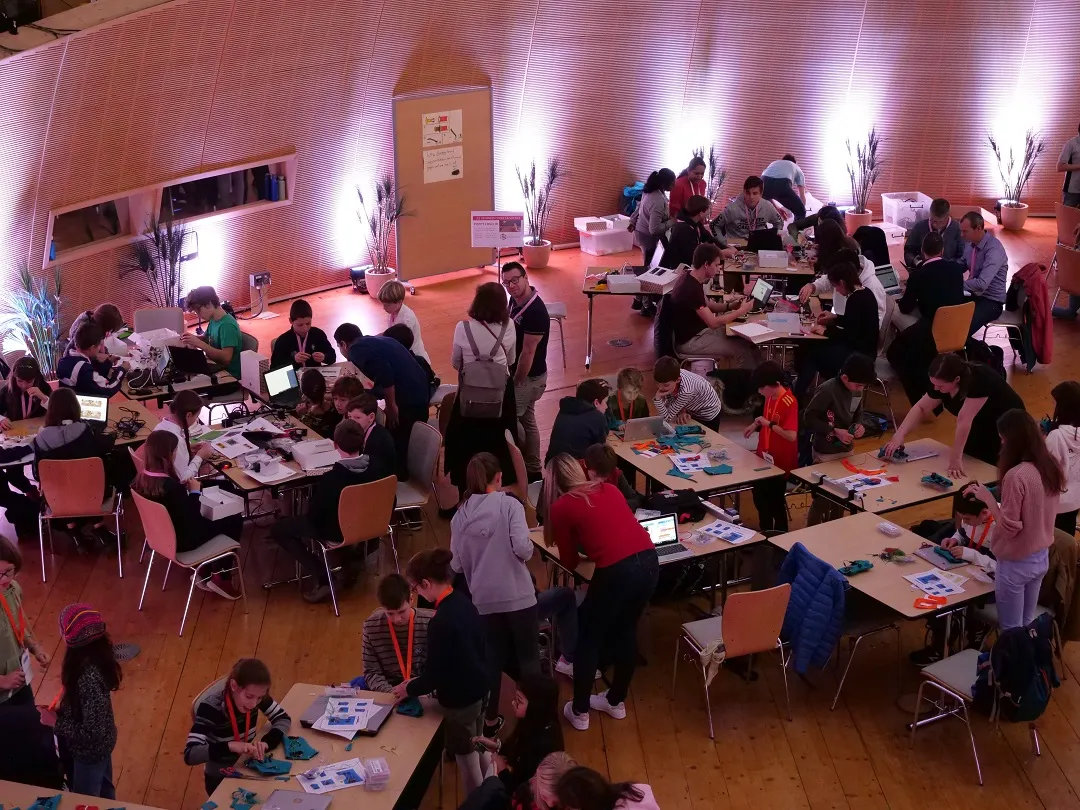
Coding Science Days
Coding Science Days Three days of workshops for kids and pupils aged 10 to 18, around scientific and technological kits. Are you a parent or teacher of science and technology? Are you a student between 10 and 18 years old interested in these topics? CERN Micro Club, hepia, the Informasciences association and the FacLab of…
-
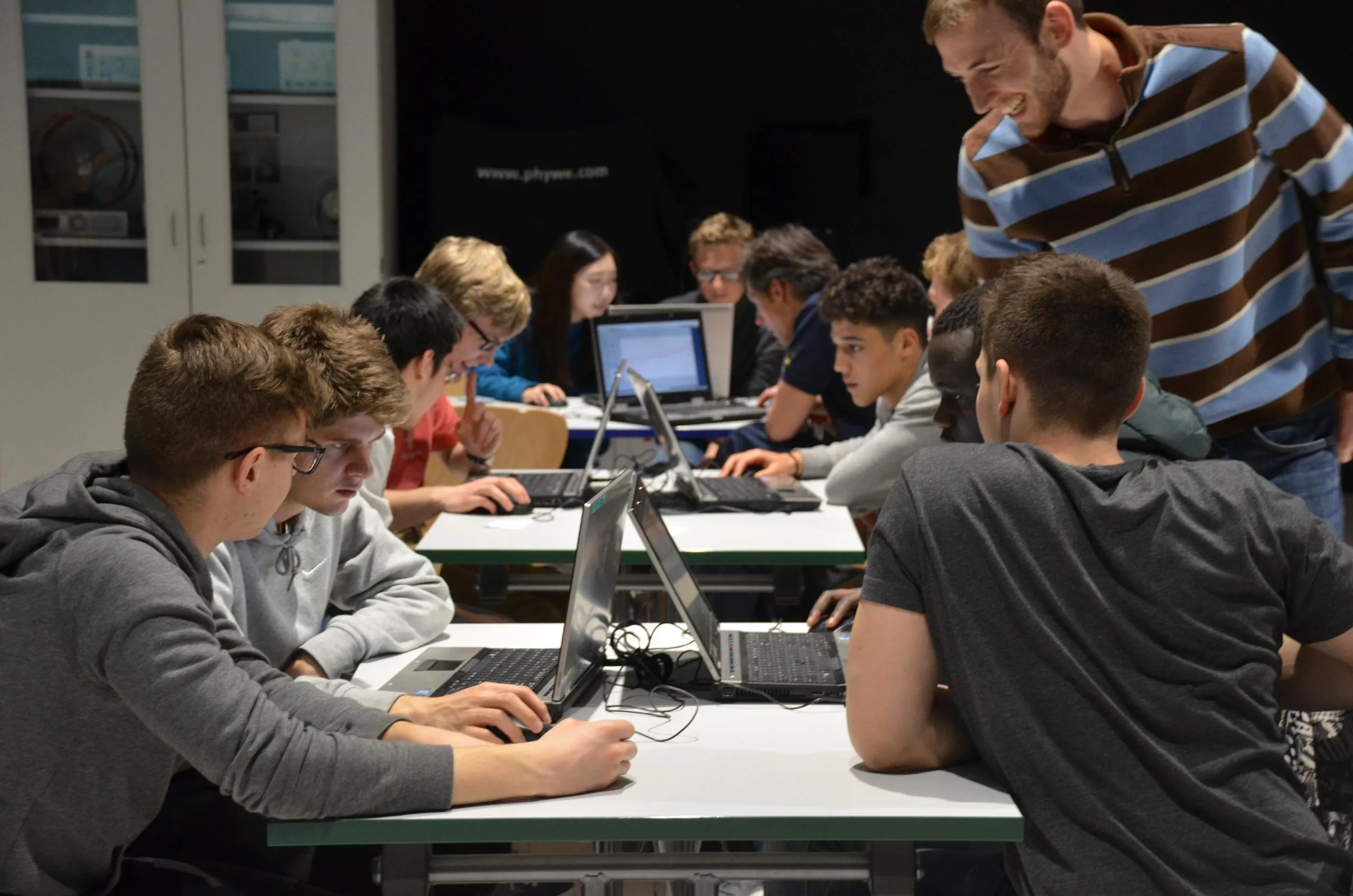
International Masterclasses
International Masterclasses Physics Masterclasses for high school students who come and perform measurements on real data from particle physics experiments at CERN Each year more than 13.000 high school students in 60 countries come to one of about 225 nearby universities or research centres for one day in order to unravel the mysteries of particle…
-
Source: CERN (CDS) Women and Girls in Science and Technology
Women and Girls in Science and Technology For a week in February, the UNIGE Faculty of Science, EPFL, LAPP and CERN offer local schools the opportunity to welcome a female scientist/engineer to present her work to classes 11 February is the International Day of Women and Girls in Science. On this occasion and for the…
-
Source: CERN (CDS) Teacher Programmes
Teacher Programmes Every year, CERN offers various professional development programmes for teachers to keep up-to-date with the latest developments in particle physics and related areas, and experience a dynamic, international research environment. All programmes are facilitated by experts in the field of physics, engineering, and computing and include an extensive lecture and visit itinerary. Furthermore,…
-
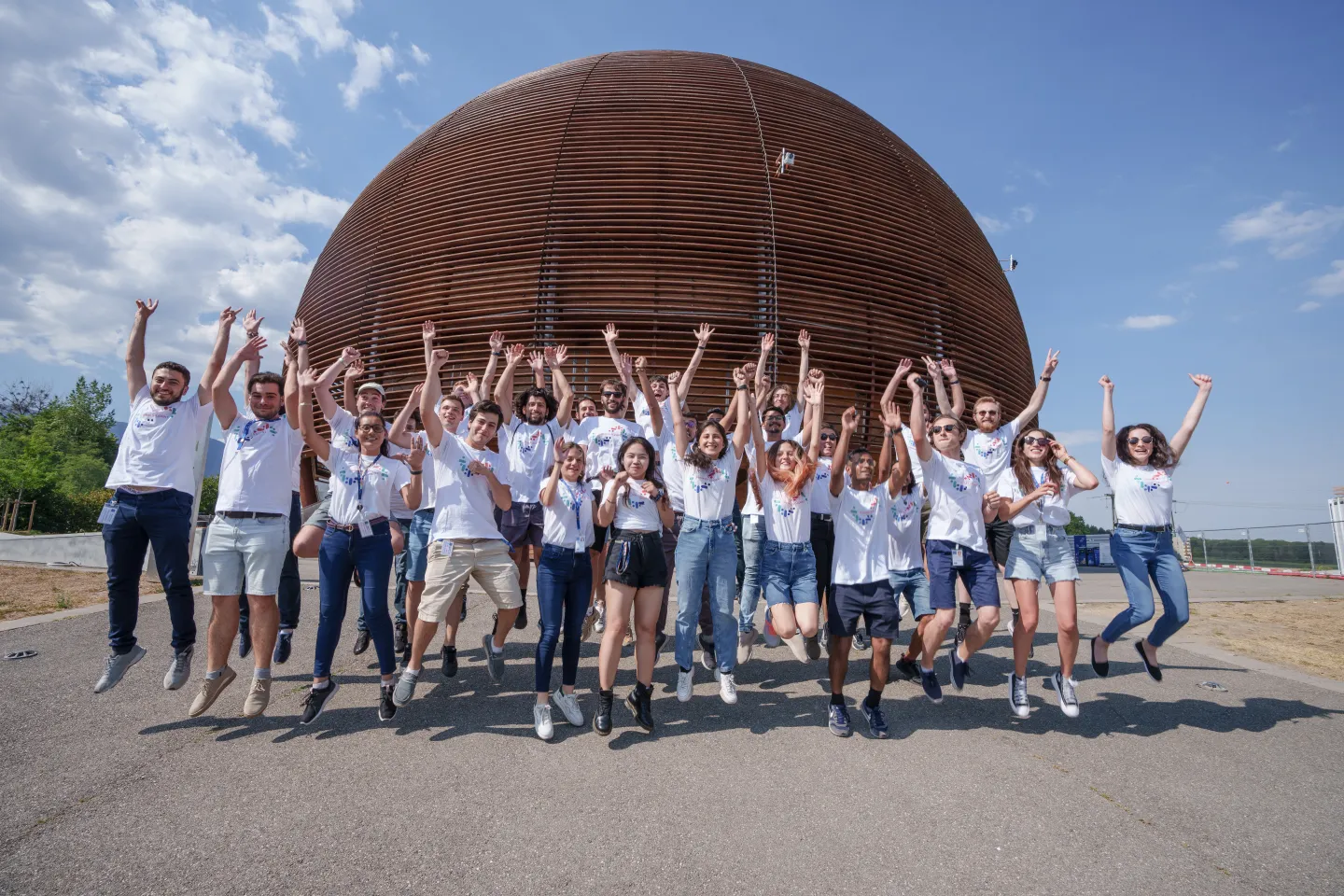
CERN visits for groups (min 12 people)
CERN visits for groups (min 12 people) Visit Science Gateway with your group: exhibitions, lab workshops, guided tours, science shows, films etc. Mandatory booking advised 9 months in advance. Groups of minimum 12 persons must book their visit to CERN Science Gateway in advance. A visit includes, upon availability, permanent exhibitions, lab workshops, guided tours,…
-
Source: CERN (CDS) Be a Scientist
Be a Scientist The project introduces children to the scientific research process as they study a mysterious box that they are not allowed to open. Every year, since 2011, pupils and their teachers follow in researchers' footsteps. What are hypotheses, data and proof? How do we conduct an experiment? Or disseminate its results? These are…
-
Source: CERN (CDS) Talk by a CERN researcher in your classroom
Talk by a CERN researcher in your classroom Invite a CERN researcher to your classroom to give a lecture on his or her job! During the talks, the researchers describe their career backgrounds, their research and their day-to-day work. They reveal some mysteries of science and conduct some small demonstrations if they wish. CERN scientists,…


In the local area
Discover other activities, events, museums, online resources, etc. to learn more about science in the surrounding area.