Category: Faq
-
Recycling and sorting waste
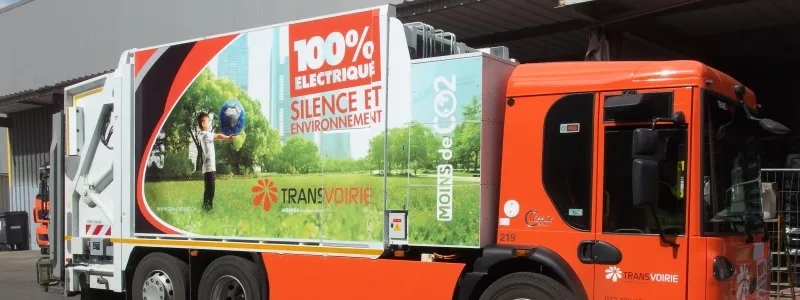
CERN collects approximately 5500 tonnes of waste per year of which roughly 1700 tonnes are conventional waste and 1100 tonnes are hazardous waste (e.g. impregnated cable drums, chemicals waste, etc.) processed by specialised certified companies. Some 1850 tonnes is scrap metal, electric and electronic material, which is either recycled or sold. CERN strives to continuously
-
Reducing Noise
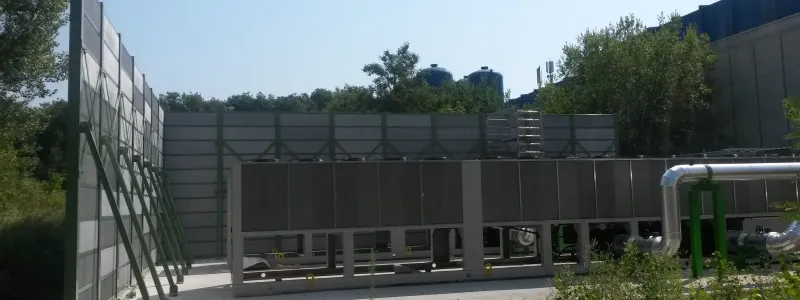
CERN actively mitigates the noise impact of its activities and facilities already at the planning stage by choosing material or settings that minimises noise. In addition, CERN yearly monitors its noise levels and sets up noise barriers around the worksites and facilities that cause concern. Related articles
-
Clean Air and Water
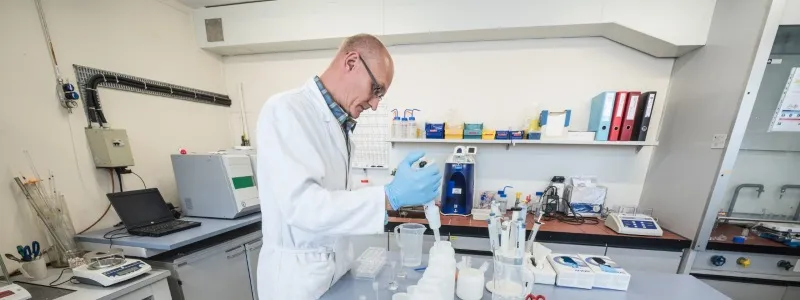
CERN is constantly checking that its activities have an impact as little as possible on the air quality of nearby areas. Filters on the ventilation systems reduce CERN’s atmospheric emissions and ventilation-monitoring stations allow to compare air-quality readings with those of neighbouring regions. Monitoring devices continuously measure the quality of the water CERN releases into
-
Environmental impact
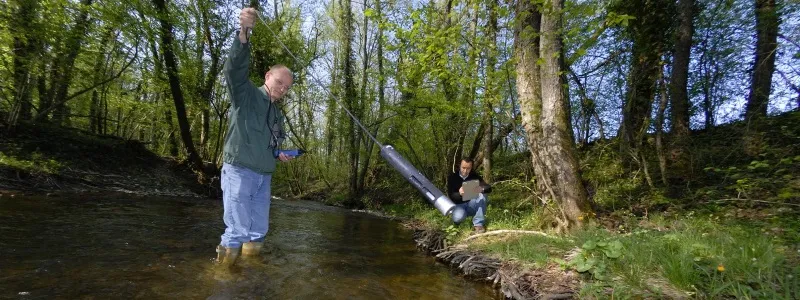
More than 100 CERN monitoring stations are constantly checking the quality of CERN’s water effluents before release as well as emissions into the atmosphere including ionising radiation. The quality of neighbouring rivers, soil, and agricultural products is also examined and tested. Roughly 2000 samples are taken and 7000 laboratory analyses are conducted each year by